为了深入和全面的了解学习和开发嵌入式AI相关知识,我拿到了一块orin nano 开发板,接下来会在工作之余,逐渐从零开始orin系列的零基础上手技术文章,主要目的是记录这部分的知识。
本文主要是介绍orin的开箱和烧录。
官方购买的orin nano super是无任何配件的,就单纯的机器和电源。所以还需要准备如下配件
其他可能还需要camera,mic等,这些后面用到了再买吧
上述配件准备并安装完成之后,就可以开始烧录安装了。
目前最新的烧录只有ubuntu2004和ubuntu2204上才能支持,所以需要给自己电脑装个ubuntu系统,我这里安装的是ubuntu2204
这里选择deb包下载,如果第一次进入,需要注册账号后下载并安装,可以获得如下文件,安装即可
dpkg -i sdkmanager_2.3.0-12617_amd64.deb apt install -f
安装完成之后,打开此程序,如下

此时需要先完成账号的登陆,完成之后,如下所示

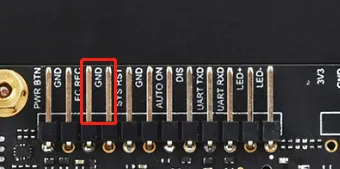
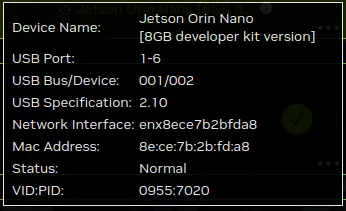
此时对于机器,需要将FC REC和GND短接(从左往右数第3,4脚),让其进入恢复模式,上电开机,即可识别设备如下
可以看到,这里选择的机器是“Jetson Orin Nano 8GB develoer kit version”, jetpack最新只能选择6.2.1。其他不用额外选择
点击continue之后,如下所示

这里仍按照默认选择,唯一额外需要做的是选中下面的接受条款
然后就是一直等待下载,下载完了之后,直接会弹出选项,提示安装位置,这里我选择为安装到nvme上即可
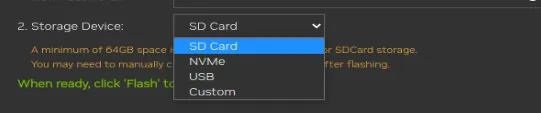
然后继续等待所有的安装完成。
值得注意的是,国内我们一定会在最后安装 docker 容器的时候安装失败,如下提示

此时我们不用关心“Nvidia Container Runtime”的失败问题,后续想办法安装。其他的选项均正常安装即可。
上述安装完成之后,将FC REC和GND短接的杜邦线去掉,重新开机,等待一会儿,我们可以先从type-c的共享网卡中登录进去,如下
$ ssh kylin@192.168.55.1 kylin@192.168.55.1's password: kylin@ubuntu:~$
这里配置一下自动登录
vim /etc/gdm3/custom.conf AutomaticLoginEnable = true AutomaticLogin = kylin
换源可以参考
# 默认注释了源码镜像以提高 apt update 速度,如有需要可自行取消注释 deb https://mirrors.tuna.tsinghua.edu.cn/ubuntu-ports/ jammy main restricted universe multiverse deb-src https://mirrors.tuna.tsinghua.edu.cn/ubuntu-ports/ jammy main restricted universe multiverse deb https://mirrors.tuna.tsinghua.edu.cn/ubuntu-ports/ jammy-updates main restricted universe multiverse deb-src https://mirrors.tuna.tsinghua.edu.cn/ubuntu-ports/ jammy-updates main restricted universe multiverse deb https://mirrors.tuna.tsinghua.edu.cn/ubuntu-ports/ jammy-backports main restricted universe multiverse deb-src https://mirrors.tuna.tsinghua.edu.cn/ubuntu-ports/ jammy-backports main restricted universe multiverse # 以下安全更新软件源包含了官方源与镜像站配置,如有需要可自行修改注释切换 deb http://ports.ubuntu.com/ubuntu-ports/ jammy-security main restricted universe multiverse deb-src http://ports.ubuntu.com/ubuntu-ports/ jammy-security main restricted universe multiverse # 预发布软件源,不建议启用 # deb https://mirrors.tuna.tsinghua.edu.cn/ubuntu-ports/ jammy-proposed main restricted universe multiverse # deb-src https://mirrors.tuna.tsinghua.edu.cn/ubuntu-ports/ jammy-proposed main restricted universe multiverse
这里我们得到了调试的第一种途径,那就是通过type-c的usb_f_rndis功能,共享网卡来进行调试。
接下来需要利用第二种调试方式,网口。
默认情况下,nvidia提供的系统不支持netplan,所以需要安装如下
apt install netplan.io
然后我们直接修改配置如下
vim /etc/netplan/01-kylin.yaml
这里个人还是推荐静态ip还是好一点,动态ip得自己记ip。 下面配置按照静态ip配置,如下
network: version: 2 renderer: networkd ethernets: enP8p1s0: dhcp4: no addresses: - 172.25.83.92/24 routes: - to: default via: 172.25.80.1 nameservers: addresses: - 114.114.114.114
保持退出之后,应用网络即可
netplan apply
此时可以通过ssh网卡ip登录,如下
$ ssh kylin@172.25.83.92 kylin@172.25.83.92's password: kylin@ubuntu:~$
然后是第三种调试方式,vnc。 这里默认安装vino,如下
apt install novnc vino websockify novnc
此时默认情况下 vino 和 ubuntu 的控制面板都不允许登录,所以需要稍微配置如下
gsettings set org.gnome.Vino require-encryption false gsettings set org.gnome.Vino prompt-enabled false gsettings set org.gnome.desktop.remote-desktop.vnc enable true gsettings set org.gnome.desktop.remote-desktop.vnc auth-method 'password'
这里为了xorg默认在没插入显示器的情况下显示正常,需要配置一个dummy显示器,如下
apt install xserver-xorg-video-dummy
配置如下
vim /usr/share/X11/xorg.conf.d/99-dummy.conf Section "Device" Identifier "Configured Video Device" Driver "dummy" VideoRam 256000 EndSection Section "Monitor" Identifier "Configured Monitor" HorizSync 10.0-300 VertRefresh 10.0-200 EndSection Section "Screen" Identifier "Default Screen" Monitor "Configured Monitor" Device "Configured Video Device" DefaultDepth 24 SubSection "Display" Depth 24 Modes "1920x1080" EndSubSection EndSection
此时重启gdm 如下
systemctl restart gdm xrandr Screen 0: minimum 320 x 175, current 1920 x 1080, maximum 1920 x 1080 default connected primary 1920x1080+0+0 0mm x 0mm
我们在nano上开启vino,如下
systemctl restart vino-server --user
然后在ubuntu2204的x84机器上安装vnc client并连接,如下
apt install vinagre
此时连接即可
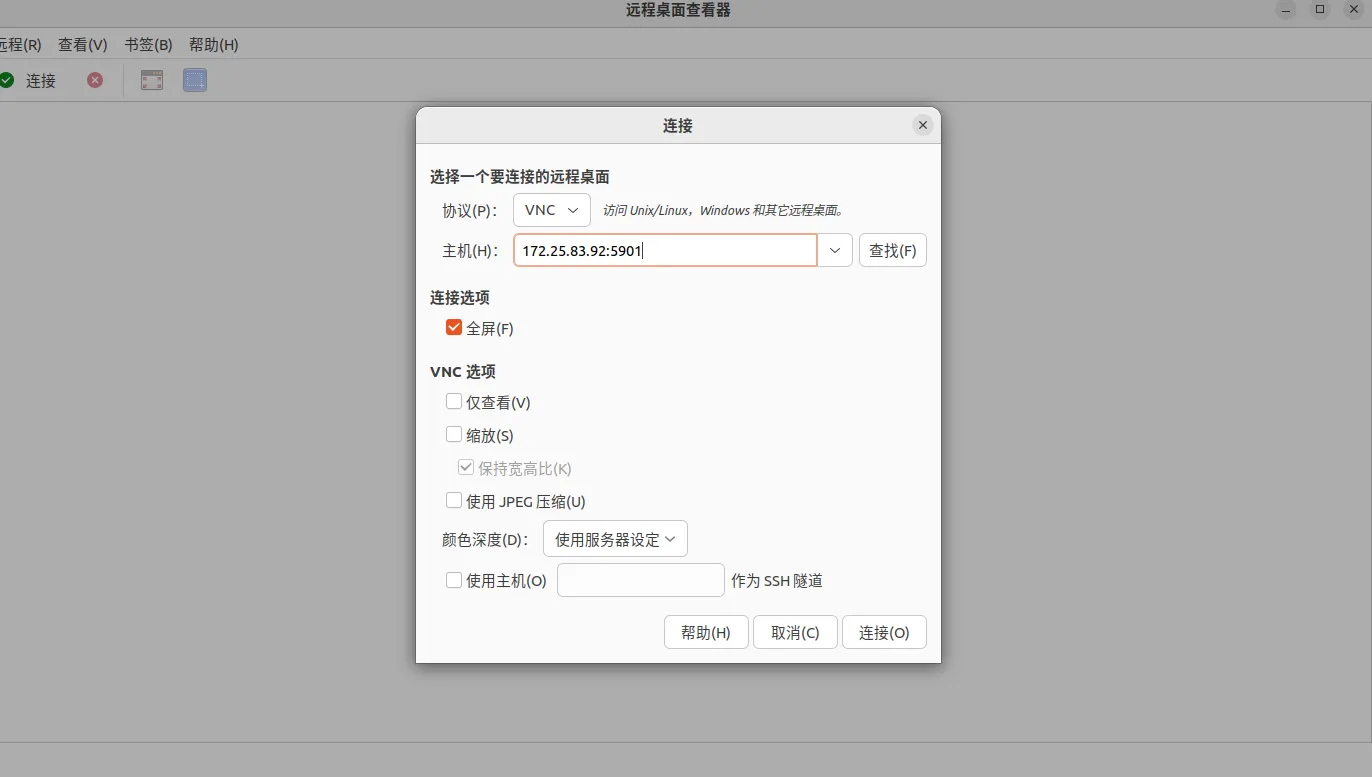
连接成功之后,如下
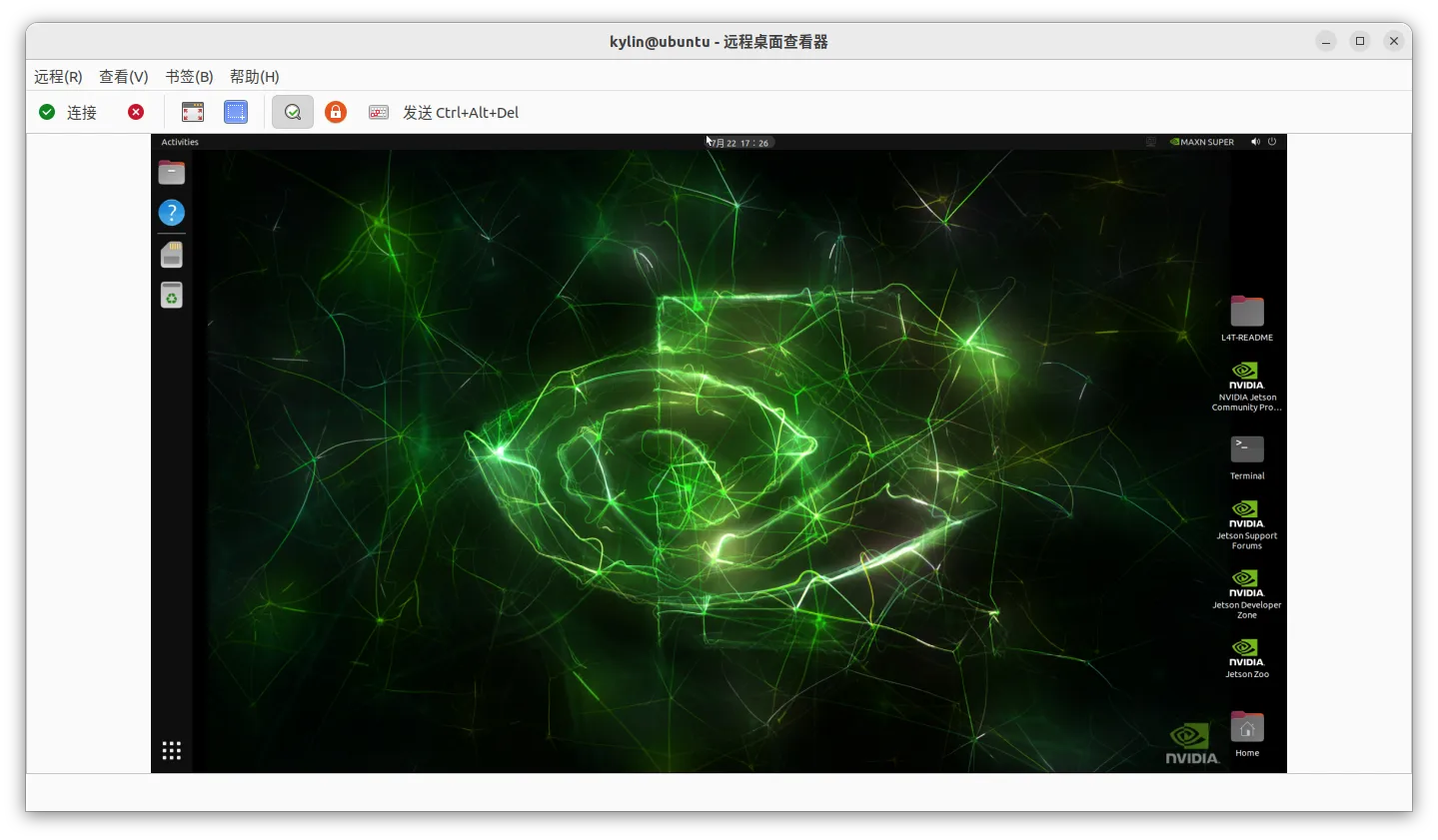
至此,nano 的vnc配置已经成功了,接下来配置novnc,vnovnc是web上的vnc,这样对我们调试来说更方便一点
第三种调试方式的变体,novnc。
novnc上面已经安装过了,这里我们只需要获取一下密码,然后登录即可。
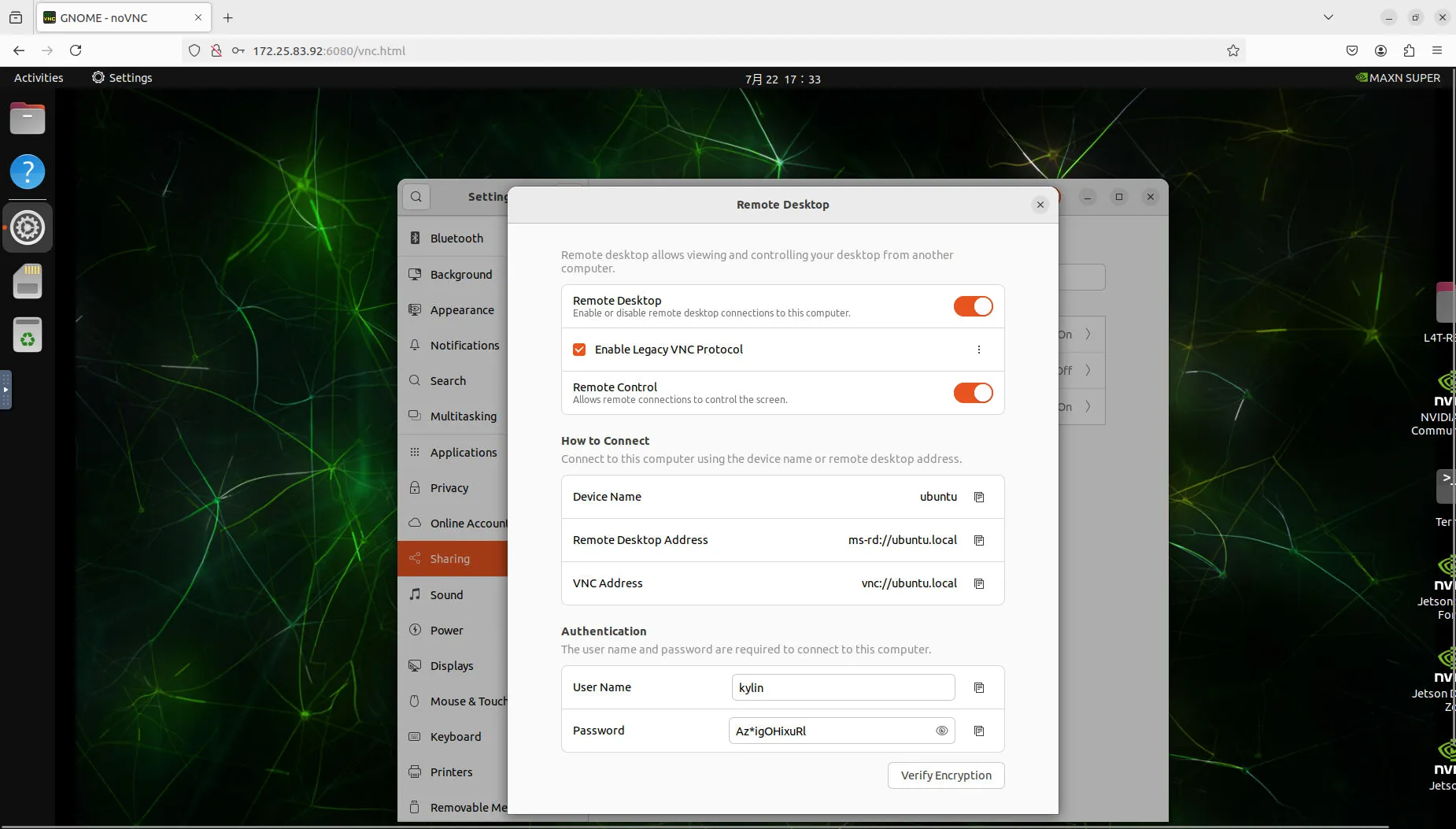
密码在设置--->共享--->登录中,如下
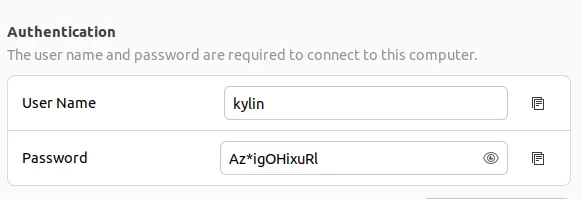
我这里获得密码是Az*igOHixuRl
此时运行novnc,如下
/usr/share/novnc/utils/launch.sh Warning: could not find self.pem Using installed websockify at /usr/bin/websockify Starting webserver and WebSockets proxy on port 6080 WebSocket server settings: - Listen on :6080 - Web server. Web root: /usr/share/novnc - No SSL/TLS support (no cert file) - proxying from :6080 to localhost:5900 Navigate to this URL: http://ubuntu:6080/vnc.html?host=ubuntu&port=6080 Press Ctrl-C to exit
然后我们通过浏览器,使用ip+6080端口登录,以防万一,我们可以确认一下配置如下,
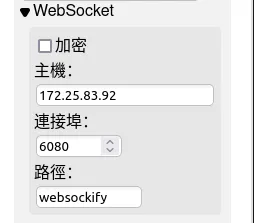
这里主机可能是主机名而不是主机IP,如ubuntu,这样如果我们没设置host,那么x86上不会识别,建议直接写ip即可。
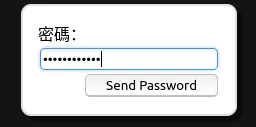
如果上述没有任何问题,那么直接点击登录,然后输入的密码是上述查到的密码Az*igOHixuRl
此时正常登录进入效果如下,可以看到是通过浏览器登录的设备,而不是通过vinagre程序
为了调试设备,还要第四种方式,串口。
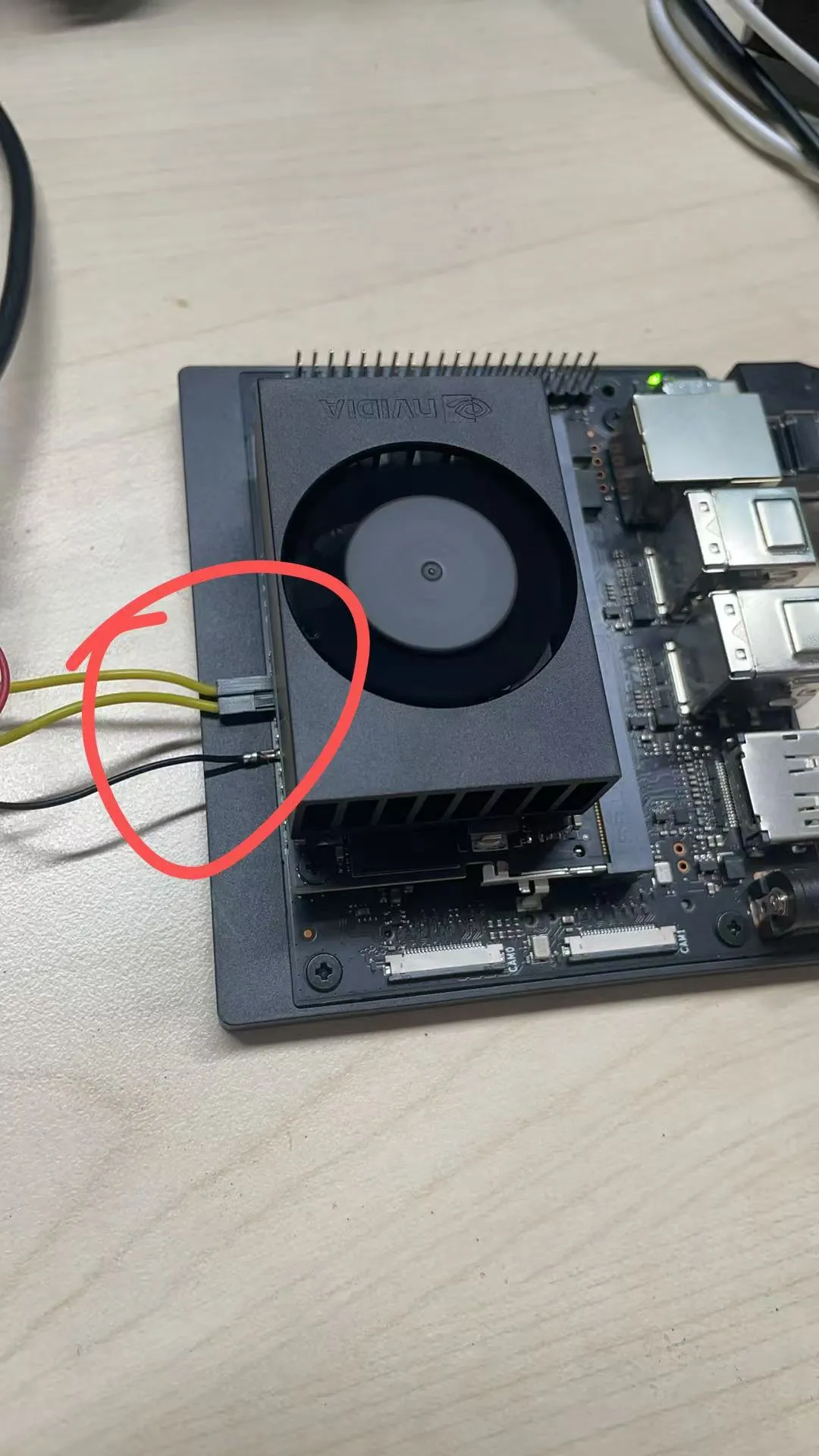
设备支持串口登录,所以我们首先要连接串口,默认情况下需要3.3V的串口如下接入。如下图所示
此时我们需要确认一下nano设置的串口信息,如下
$ cat /proc/cmdline root=PARTUUID=d9006785-54de-4b47-b9c7-256d03cf1c58 rw rootwait rootfstype=ext4 mminit_loglevel=4 console=ttyTCU0,115200 firmware_class.path=/etc/firmware fbcon=map:0 video=efifb:off console=tty0 nv-auto-config bl_prof_dataptr=2031616@0x271E10000 bl_prof_ro_ptr=65536@0x271E00000
可以看到,信息会从ttyTCU0上吐出来,这个TCU0就是我们刚刚连接的串口。
putty的配置如下
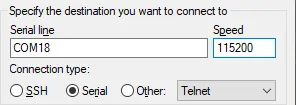
可以看到串口信息如下
Jetson System firmware version 36.4.4-gcid-41062509 date 2025-06-16T15:25:51+00: 00 ESC to enter Setup. F11 to enter Boot Manager Menu. Enter to continue boot. .......
这里装一下jetpack如下
apt install nvidia-jetpack
运行
cd /usr/local/cuda-12.6/bin # ./nvcc -V nvcc: NVIDIA (R) Cuda compiler driver Copyright (c) 2005-2024 NVIDIA Corporation Built on Wed_Aug_14_10:14:07_PDT_2024 Cuda compilation tools, release 12.6, V12.6.68 Build cuda_12.6.r12.6/compiler.34714021_0

https://developer.nvidia.com/embedded/jetson-linux-r3643
https://developer.nvidia.com/embedded/downloads
值得注意的是,xorg的99-dummy.conf配置会导致默认x的渲染没有走nvidia的gpu,从而导致nvidia的一些测试用例运行失败。
如果实在要使用gpu渲染,同时不想接上显示器,鼠标键盘,希望使用vnc来调试,那么有两种办法
我自己原来调试显示的时候买过采集卡,这就用上了。但是我还是喜欢vnc调试,所以我的方法是,通过采集卡连接,既可以像摄像头一样打开,又可以使用vnc连接,因为vnc连接很方便,我更倾向vnc连接。

LRU算法全称是Least recently used,最近最少使用算法,他作为Linux内核页面置换算法的默认选择。原理是通过设置一个容量,LRU会选择最近最少使用的数据,并将其删除,这样能够保证了一定的容量的角度上提高系统的最大性能。
最近突然产生了一个思考,LRU算法作为缓存系统常用算法,在用户空间是否有人实现过了呢。结果发现,LRU算法可以看到在python,go,java等高级语言上实现,而在C上的单独实现全网几乎没有。
鉴于此,本文从介绍LRU算法开始,然后自己通过C语言实现了LRU算法,并进行了详细的测试,并整理文档,如有需要设计缓存系统,此代码开箱即用。
在Linux中,所有的页面申请通过缺页异常产生,当系统没有足够空闲的页帧提供时,就需要腾挪一下页出来。那么腾挪的办法有如下几种
接下来简单介绍这些常见的替换算法
OPT也就是Optimal Page Replacement,最佳页面替换算法,其思路是永远先替换内存中最不经常使用的页面,但是如何从代码角度获得内存中最不经常使用的页面呢?
实际上,这是不现实的,因为代码层面无法准确的预计到以后哪些页面会被访问,所以无法知道哪些页面是最不经常使用的。 但是在非代码层面,例如我们在做理论分析的时候,此算法可以用于分析和衡量其他算法的实际效率。
FIFO也就是First In First Out ,先入线程页面替换算法,其思路很简单,就是利用FIFO的特性,让所有先进入队列的页面先删除,其优点是代码设计非常简单,例如使用循环链表就能轻松实现,但是缺点是其实际应用效率并不高。
因为在实际场景中,先加入的页面,可能会被多次访问,如果使用FIFO置换页面,那么如果访问先加入的页面,那么就会频繁的换入换成,很容易造成系统颠簸。
所以在讨论页面置换的场景下,不能单纯的忽略历史数据的再次访问的情况。所以FIFO不是更好的置换算法
LRU也就是Least Recently Used,最近最少使用页面替换算法,根据刚刚讨论FIFO的缺陷,我们不能单纯的忽略历史数据,所以LRU算法应运而生
如果我们将最近访问的历史数据的优先级进行排序,那么我们就从FIFO算法转变成LRU算法,那样,每次页面替换时,默认将未被访问的先进入缓存队列的页面换出,任何被重复访问的数据都保存到优先级最高的队列头。
根据上面几种算法的讨论,我们清晰的了解了LRU算法的基本原理,现在可以思考其实现思路。
这样基于 hash 和 doubly link list 的实现能够以最高的效率实现LRU算法,其理论是O(1),但实际是O(1)-O(n)中间,为什么呢?
因为hash存在碰撞,其碰撞情况取决于负载因子(load facotr),其计算如下load factor = capacity / slots,如果slots越大,那么hash碰撞更低,则寻找缓存页面元素的时间复杂度是O(1),如果slots为1,那么hash碰撞情况为100%,每次寻找缓存页面元素都需要遍历链表,则其时间复杂度是O(n),那么合适的设计load factor就是LRU算法的性能关键。
最终实现的LRU算法应该提供如下两个函数
因为hash的特性,我们需要设计键值对,我们不需要完全实现一个完整意义上的hash去实现LRU,我们只需要保证key相同时,hash找到缓存value的效率是O(1)即可。 举个例子:
如果slots=10,此时key是22,那么lru_get将获取 22 % 10 ,也就是 slot=2 中的元素。又因为slot = 2 中存放的是链表,那么遍历此链表中的元素,找到key == 22 的value即可返回。
可以发现,如果slot=2 的链表有多个元素,那么证明hash还是存在碰撞,此时不是完全的O(1),但是如果slot=2只有key == 22 一个元素,那么遍历链表就是寻找其下一个节点而已,那么就是完全意义上的O(1)
如果lru_get时,key 不再任何一个槽中,则返回-1,代表lru中没有此缓存值
关于put的实现,我们需要留意如下几个步骤
这样也就实现了LRU算法的本意,最近最少使用,最近的意思是在容量中的缓存,最少的意思是在容量中最后一个节点。组合起来就是:当新增节点时,将容量中最不经常使用的,也就是最后一个节点踢出
值得注意的是,这里虽然提到了最后一个节点是最不经常使用的,但实际上是无需使用任何排序算法的,其原因是链表的隐藏特性,对于链表的添加,都是从链表的头/尾添加,这样就已经隐式的在链表中排序了,链表最后一个节点就是最早进入链表的节点。
上文比较详细的介绍了LRU算法的理论知识,可以让未对LRU算法了解的人有一个清晰的认知,本人的本意是发现Linux发行平台上,使用LRU算法的C实现例子偏少(内核外),所以抽空周末实现了C语言的LRU版本,为了介绍此版本LRU算法的目的而产生。
在实现过程中也踩了一点坑,那就是按照自己的想法,没有实现hash去解决查询的效率问题,而是通过遍历的方式寻找的key,但是后面通过网页检索回顾才发现,可以实现一个hash,将O(n)降低为0(1)。后面我又翻阅了不同开源仓库的LRU实现方法,基于开放寻找法和链表法都做了实现,但发现链表法更直接有效,所以又根据自己理解进行了完善LRU的实现。
下面是一个测试的例子

操作系统有很多问题出现在触摸事件上,而平时自己手上只有鼠标控制,突发奇想,如果我将鼠标事件虚拟成触摸,那么我复现问题,调试代码不是很方便么。
uinput是用户空间的输入设备驱动,它提供了一种功能将内核的输入设备搬到应用层来模拟。内核通过如下配置打开
CONFIG_INPUT_UINPUT=y
鉴于我们的系统目前默认是x11环境,所以我们需要使用xlib的XQueryPointer函数,此函数可以获取X下的鼠标指针位置,XQueryPointer的原型如下
Bool XQueryPointer(Display *display, Window w, Window *root_return, Window *child_return, int *root_x_return, int *root_y_return, int *win_x_return, int *win_y_return, unsigned int *mask_return);
根据上面的信息,如果我们声明uinput是一个输入设备,然后通过XQueryPointer拿到鼠标在X的位置后,将其传给uinput,那么我们在系统中就白白获得了一个虚假的触摸设备。代码如下
#include <stdio.h> #include <pthread.h> #include <stdlib.h> #include <string.h> #include <time.h> #include <fcntl.h> #include <unistd.h> #include <linux/uinput.h> #include <X11/Xlib.h> void emit(int fd, int type, int code, int val) { struct input_event ie; ie.type = type; ie.code = code; ie.value = val; ie.time.tv_sec = 0; ie.time.tv_usec = 0; write(fd, &ie, sizeof(ie)); } int main(void) { struct uinput_setup usetup; struct uinput_abs_setup uabs; int fd = open("/dev/uinput", O_WRONLY | O_NONBLOCK); ioctl(fd, UI_SET_EVBIT, EV_KEY); ioctl(fd, UI_SET_KEYBIT, BTN_TOUCH); ioctl(fd, UI_SET_EVBIT, EV_REL); ioctl(fd, UI_SET_RELBIT, REL_X); ioctl(fd, UI_SET_RELBIT, REL_Y); ioctl(fd, UI_SET_EVBIT, EV_ABS); ioctl(fd, UI_SET_ABSBIT, ABS_MT_POSITION_X); ioctl(fd, UI_SET_ABSBIT, ABS_MT_POSITION_Y); ioctl(fd, UI_SET_ABSBIT, ABS_MT_SLOT); ioctl(fd, UI_SET_ABSBIT, ABS_MT_TRACKING_ID); memset(&usetup, 0, sizeof(usetup)); usetup.id.bustype = BUS_USB; usetup.id.vendor = 0x1234; usetup.id.product = 0x5678; strcpy(usetup.name, "kylin virtual touch device"); ioctl (fd, UI_SET_PROPBIT, INPUT_PROP_DIRECT); memset(&uabs, 0, sizeof(uabs)); uabs.code = ABS_MT_SLOT; uabs.absinfo.minimum = 0; uabs.absinfo.maximum = 9; ioctl(fd, UI_ABS_SETUP, &uabs); memset(&uabs, 0, sizeof(uabs)); uabs.code = ABS_MT_POSITION_X; uabs.absinfo.minimum = 0; uabs.absinfo.maximum = 1920; uabs.absinfo.resolution= 76; ioctl(fd, UI_ABS_SETUP, &uabs); memset(&uabs, 0, sizeof(uabs)); uabs.code = ABS_MT_POSITION_Y; uabs.absinfo.minimum = 0; uabs.absinfo.maximum = 1200; uabs.absinfo.resolution= 106; ioctl(fd, UI_ABS_SETUP, &uabs); ioctl(fd, UI_DEV_SETUP, &usetup); ioctl(fd, UI_DEV_CREATE); Display *display; Window root; Window child; int root_x, root_y, win_x, win_y; unsigned int mask; display = XOpenDisplay(NULL); if (display == NULL) { return 1; } root = DefaultRootWindow(display); /* * On UI_DEV_CREATE the kernel will create the device node for this * device. We are inserting a pause here so that userspace has time * to detect, initialize the new device, and can start listening to * the event, otherwise it will not notice the event we are about * to send. This pause is only needed in our example code! */ sleep(1); int mouse_fd = open("/dev/input/event4", O_RDONLY); if (mouse_fd < 0) { ioctl(fd, UI_DEV_DESTROY); close(fd); return EXIT_FAILURE; } while (1) { struct input_event ie; read(mouse_fd, &ie, sizeof(ie)); if (ie.type == EV_REL && (ie.code == REL_X || ie.code == REL_Y)) { continue; } switch (ie.code){ case BTN_LEFT: if(ie.value==1){ XQueryPointer(display, root, &root, &child, &root_x, &root_y, &win_x, &win_y, &mask); emit(fd, EV_ABS, ABS_MT_TRACKING_ID, 1); emit(fd, EV_ABS, ABS_MT_POSITION_X, root_x); emit(fd, EV_ABS, ABS_MT_POSITION_Y, root_y); emit(fd, EV_KEY, BTN_TOUCH, 1); emit(fd, EV_SYN, SYN_REPORT, 0); }else{ emit(fd, EV_ABS, ABS_MT_TRACKING_ID, -1); emit(fd, EV_KEY, BTN_TOUCH, 0); emit(fd, EV_SYN, SYN_REPORT, 0); } default: break; } } /* * Give userspace some time to read the events before we destroy the * device with UI_DEV_DESTOY. */ sleep(1); XCloseDisplay(display); ioctl(fd, UI_DEV_DESTROY); close(fd); return 0; }
值得注意的是,因为我们插入的鼠标的事件是不太确定的,所以需要提前手动查询一下,如下
先通过lsusb查看鼠标设备
# lsusb ...... Bus 001 Device 003: ID 25a7:fa61 Compx 2.4G Receiver
然后通过proc下的信息找到对应的事件
# cat /proc/bus/input/devices ...... I: Bus=0003 Vendor=25a7 Product=fa61 Version=0110 N: Name="Compx 2.4G Receiver Mouse" P: Phys=usb-fc800000.usb-1.2/input1 S: Sysfs=/devices/platform/fc800000.usb/usb1/1-1/1-1.2/1-1.2:1.1/0003:25A7:FA61.0002/input/input4 U: Uniq= H: Handlers=event4 B: PROP=0 B: EV=17 B: KEY=1f0000 0 0 0 0 B: REL=1943 B: MSC=10
此时我们知道事件是event4,那么代码填入的就是event4如下
int mouse_fd = open("/dev/input/event4", O_RDONLY);
此时编译上述代码如下
gcc mouse2touch.c -lX11 -pthread -o mouse2touch
如果我们在机器内运行,因为会XOpenDisplay,所以需要DISPLAY的环境变量设置正确,默认可以设置如下
export DISPLAY=:0
此时直接运行即可
root@kylin:~# ./mouse2touch
注意此程序是daemon进程,会while 1监听事件,如果突然退出需要检查是否有其他异常
当程序运行后,我们看到内核会有如下日志
input: kylin virtual touch device as /devices/virtual/input/input28
然后我们查看事件也能在/proc/bus/input/devices存在如下
I: Bus=0003 Vendor=1234 Product=5678 Version=0000 N: Name="kylin virtual touch device" P: Phys= S: Sysfs=/devices/virtual/input/input28 U: Uniq= H: Handlers=event18 B: PROP=2 B: EV=f B: KEY=400 0 0 0 0 0 B: REL=3 B: ABS=260800000000000
同样的Xorg也能正常识别,所以Xorg也有如下日志
tail -f /var/log/Xorg.0.log (II) event18 - kylin virtual touch device: is tagged by udev as: Touchscreen (II) event18 - kylin virtual touch device: device is a touch device
正好对应上了。此时我们点击鼠标,可以看到有触摸的特效出现

可以发现功能得到实现了,至此已经完全满足我在不需要触摸屏的前提下调试触摸的操作系统BUG了。
上面通过编写了一个小程序,实现了鼠标模拟触摸的情况,但是还是有一些小缺点的,主要如下
根据上面的信息,我简单的利用了uinput来辅助调试操作系统触摸问题,稍微扩展一下,我留个疑问,有兴趣可以思考一下。
双向链表是刚毕业就基于linux的实现了解过,后面因为内核的实现没办法直接搬出来用,所以自己应用开发的时候借鉴linux的实现重写了一份,这样方便自己粘贴到任意代码上。
时间长了,关于双向链表的实现很容易印象不深刻,这时候别人突然一问,让我写一个双向链表出来,我能给出思路,但是没办法完美写出来。
举个例子,我们每个人都学过关雎,里面一句"窈窕淑女,君子好逑"可谓人尽皆知,但突然某一天,有人让你背诵关雎,你会不会发懵呢?
本文基于linux内核的实现做一下分析,然后将自己的实现粘贴进来,主要目的是做一个复习。如有有喜欢我的实现的,放心拿去用好啦。
在内核中list.h实现了双向链表,其结构如下
struct list_head { struct list_head *next, *prev; };
doubly linked list的创建就是将自己指向自己。所以有如下宏
#define LIST_HEAD_INIT(name) { &(name), &(name) } #define LIST_HEAD(name) \ struct list_head name = LIST_HEAD_INIT(name)
这样传入list_head结构体就可以初始化一个doubly linked list。
内核还提供了一个函数实现INIT_LIST_HEAD来实现初始化
static inline void INIT_LIST_HEAD(struct list_head *list) { WRITE_ONCE(list->next, list); list->prev = list; }
对于链表的插入需要区分头插还是尾插。那么add有两个实现 list_add和list_add_tail。内核将其头插和尾插抽象成形参传递了,如下
static inline void __list_add(struct list_head *new, struct list_head *prev, struct list_head *next)
这里如果是头插,那么组成关系如下
head ---> new ---> head->next
如果是尾插,那么组成关系如下
head->prev ---> new ---> head
所以__list_add的实现只需要关心位于new的prev和next的位置,那么list_add和list_add_tail只是不同的封装而已,考一下大家,下面哪个是list_add,哪个是list_add_tail。
__list_add(new, head, head->next); // 1 __list_add(new, head->prev, head); // 2
关于__list_add的实现就是
值得注意的是,针对prev->next使用了WRITE_ONCE,这样使得prev->next会保证赋值的有效性。 所以我们看内核实现如下
static inline void __list_add(struct list_head *new, struct list_head *prev, struct list_head *next) { next->prev = new; new->next = next; new->prev = prev; WRITE_ONCE(prev->next, new); }
内核关于list_add和list_add_tail的实现如下
static inline void list_add(struct list_head *new, struct list_head *head) { __list_add(new, head, head->next); } static inline void list_add_tail(struct list_head *new, struct list_head *head) { __list_add(new, head->prev, head); }
对于删除节点而言,我们只需要知道被删除节点即可。然后如下
对于内核而言,其实现也做了抽象。我们知道待删除节点假设是entry,那么__list_del提供两个参数,一个是prev,一个是next。这样对于删除而言就是简单的如下
那么内核实现如下
static inline void __list_del(struct list_head * prev, struct list_head * next) { next->prev = prev; WRITE_ONCE(prev->next, next); }
当内核实现了__list_del,那么关于删除函数__list_del_entry就是简单的将形参entry拆分成entry->prev和entry->next。如下
static inline void __list_del_entry(struct list_head *entry) { __list_del(entry->prev, entry->next); }
基于上面,为了满足调试需求,内核故意对被删除的节点设置了固定的值,这样使用crash等工具就能很方便的判断问题了。如下
static inline void list_del(struct list_head *entry) { __list_del_entry(entry); entry->next = LIST_POISON1; entry->prev = LIST_POISON2; } define LIST_POISON1 ((void *) 0x100 + POISON_POINTER_DELTA) #define LIST_POISON2 ((void *) 0x122 + POISON_POINTER_DELTA) CONFIG_ILLEGAL_POINTER_VALUE=0xdead000000000000
我们组合一下上面值可以得到如下
0xdead000000000100 0xdead000000000122
我们经常使用crash的同学可以看到如下信息
list = { next = 0xdead000000000100, prev = 0xdead000000000122 }
替换函数的主要思路为
也就是说先针对new自身的next,设置为old的next,同时修复原old的next的prev改变成new自己。
然后再针对new自身的prev,设置为old的prev,同时修复原old的prev的next设置为自己
所以替换的实现如下
static inline void list_replace(struct list_head *old, struct list_head *new) { new->next = old->next; new->next->prev = new; new->prev = old->prev; new->prev->next = new; }
交换的目标是对entry1和entry2的内容在链表进行交换。 那么思路应该如下
根据上面的分析,以及以上章节的代码展示,可以默写步骤如下
但是上面可能在一种情况下出bug,那就是当entry2->prev就是entry1的时候,此时对entry2->prev的头插,就是对entry1的头插,但是list_replace已经修改了entry1的值变成实际entry2的实际值,所以entry2->prev已经不是属于这个doubly link list中了,所以我们更新为entry2。代码如下
static inline void list_swap(struct list_head *entry1, struct list_head *entry2) { struct list_head *pos = entry2->prev; list_del(entry2); list_replace(entry1, entry2); if (pos == entry1) pos = entry2; list_add(entry1, pos); }
上面如果理解不太清楚,下面我画图解释如下。最开始链表如下
---> entry1(pos) ---> entry2 ---->
当删除entry2时,如下
---> entry1(pos) ---->
当替换entry1的之后如下
---> entry2 ---->
此时我们需要完成步骤4,但是此时entry1也就是pos不在这个双向链表中了。所以我们需要强制修改pos为entry2如下
---> entry2(pos) ---->
然后调用list_add,结果如下
---> entry2(pos) ----> entry1 ---->
很明显,如果entry1不是entry2的prev,那么就无需关心此问题
移动非常好理解,就是将某个元素删除后,然后通过__list_add添加,因为__list_add有两个实现,所以move有两个版本也就是list_move和list_move_tail。其实现如下
static inline void list_move(struct list_head *list, struct list_head *head) { __list_del_entry(list); list_add(list, head); } static inline void list_move_tail(struct list_head *list, struct list_head *head) { __list_del_entry(list); list_add_tail(list, head); }
关于拼接,__list_splice也做了抽象,这样便于理解,所以有三个形参如下
static inline void __list_splice(const struct list_head *list, struct list_head *prev, struct list_head *next)
这里list是待拼接的链表,而prev和next是需要拼接的位置的prev和next。
对于拼接而言,其步骤如下
上面需要进一步解释,这里我们因为待拼接的list是整个list,所以我们知道如下
经过这样进一步的解释,再对照内核如下代码
static inline void __list_splice(const struct list_head *list, struct list_head *prev, struct list_head *next) { struct list_head *first = list->next; struct list_head *last = list->prev; first->prev = prev; prev->next = first; last->next = next; next->prev = last; }
我们可以清楚的知道了拼接的实现
内核提供了list_entry实现,其实就是container_of。关于container_of这里不重复了,可以查阅文章《内核C语言结构体定位成员》
对于双向循环链表的遍历,可以分为根据next遍历,还是根据prev遍历,所以有两个变体,如下
#define list_for_each(pos, head) \ for (pos = (head)->next; pos != (head); pos = pos->next) #define list_for_each_prev(pos, head) \ for (pos = (head)->prev; pos != (head); pos = pos->prev)
根据遍历的代码,可以看到是通过for循环,从head处一直找next/prev,直到pos再次等于head的时候停止遍历。但是这里实际上是不安全的。也是很多代码导致崩溃的原因,本人遇到未使用安全遍历导致遍历崩溃的问题已经数十次有余了。
其原因是这个list的当前值,会在for语句里面可能被删除,例如在list_for_each的里面,会调用list_del(pos)把当前pos删掉。针对这种情况,需要引入一个临时遍历n,它保存了pos->next的值。这样安全的意思就是在遍历的过程中,可以放心的删除pos。其代码实现如下
#define list_for_each_prev_safe(pos, n, head) \ for (pos = (head)->prev, n = pos->prev; \ pos != (head); \ pos = n, n = pos->prev)
我们直到container_of的作用是获取list的上层结构体,而遍历的作用是从头遍历list所有成员。
那么遍历entry的含义就是两者的结合版本,通过list_for_each遍历所有list,然后通过entry获取上层结构体,其代码如下
#define list_for_each_entry(pos, head, member) \ for (pos = list_first_entry(head, typeof(*pos), member); \ !list_entry_is_head(pos, head, member); \ pos = list_next_entry(pos, member))
可以看到这里的pos不再是list某个成员,而是所带list的上层结构体entry了。
遍历entry也有安全函数版本,如果在循环内部需要删除pos,那么请使用安全版本,其代码如下
#define list_for_each_entry_safe(pos, n, head, member) \ for (pos = list_first_entry(head, typeof(*pos), member), \ n = list_next_entry(pos, member); \ !list_entry_is_head(pos, head, member); \ pos = n, n = list_next_entry(n, member))
上面把内核的实现捋了一遍,我又翻箱倒柜找到了自己当时list.h的实现。这里也简单分析一下。
自己的list实现思路是参考了内核,但没内核写的高级,纯粹按照个人思路完成。本人多个工程都用此list.h文件,目前没什么问题。最后贴上list.h的个人版本所有代码
结构体和内核一致
struct list_head { struct list_head *prev; struct list_head *next; };
和内核一致,但是不考虑变量的原子性
static inline void list_inithead(struct list_head *item) { item->prev = item; item->next = item; }
添加的两个版本没有内核的抽象,我的思路如下 首先默认情况如下
list<---> A
此时添加item,首先先把item的prev和next接到list和A中间
list<---item--->A
item->prev = list; item->next = list->next;
此时A的prev是断开的,list的next也是断开的,修复doubly link list关系
list<--->item<--->A
list->next->prev = item; list->next = item;
故代码如下
static inline void list_add(struct list_head *item, struct list_head *list) { item->prev = list; item->next = list->next; list->next->prev = item; list->next = item; }
tail的版本是添加到list之前,假设默认情况如下
A<--->list
此时添加item,首先先把item的prev和next接到list和A中间
A<---item--->list
item->next = list; item->prev = list->prev;
此时A是list->prev,其next是断开的,list的prev也是断开的,修复一下
A<--->item<--->list
list->prev->next = item; list->prev = item;
故代码如下
static inline void list_addtail(struct list_head *item, struct list_head *list) { item->next = list; item->prev = list->prev; list->prev->next = item; list->prev = item; }
首先默认情况如下
list<--->item<--->B
我们幻想一个删除后的结果如下
list<---?--->B
所以在item角度修复其item->prev->next和item->next->prev
list<--->B
item->prev->next = item->next; item->next->prev = item->prev;
个人的实现没有内核的标记,所有直接置空即可,故整体代码如下
static inline void list_del(struct list_head *item) { item->prev->next = item->next; item->next->prev = item->prev; item->prev = item->next = NULL; }
在解决《glibc的chunk破坏问题》问题的时候,我特地实现了validate函数,此函数判断doubly link list的每个成员是否正常,其思路是
static inline void list_validate(const struct list_head *list) { struct list_head *node; assert(list_is_linked(list)); assert(list->next->prev == list && list->prev->next == list); for (node = list->next; node != list; node = node->next) assert(node->next->prev == node && node->prev->next == node); }
拼接的思路上文已经叙述清楚了,这里绘图示意即可。假设默认两个list如下
tail(A)<--->src<--->A dst<--->B
第一步,将src拆开,将A的prev挂到dst,将tail的next挂到B上。为了简化,假设tail就是A。
dst<---A(tail)--->B
src->next->prev = dst; src->prev->next = dst->next;
第二步,将B的prev设置为tail(A)
dst<---A(tail)<--->B
dst->next->prev = src->prev;
第三步,将dst的next设置为A
dst<--->A(tail)<--->B
dst->next = src->next;
此时拼接完成,故整体代码如下
static inline void list_splice(struct list_head *src, struct list_head *dst) { if (list_is_empty(src)) return; src->next->prev = dst; src->prev->next = dst->next; dst->next->prev = src->prev; dst->next = src->next; }
拼接尾的思路完全一致,不同的是拼接到head前面。假设默认两个list如下
tail(A)<--->src<--->A tail(B)<--->dst<--->B
第一步,将src拆开,将tail(A)的next挂到dst,将A的prev挂到tail(B)上。
tail(B)<---tail(A)--->dst
src->prev->next = dst; src->next->prev = dst->prev;
第二步,将tail(B)的next设置为A
tail(B)<--->tail(A)--->dst
dst->prev->next = src->next;
第三步,将dst的prev设置为tail(A)
tail(B)<--->tail(A)--->dst
dst->prev = src->prev;
值得注意的是,如果此链表只要一个元素A/B,那么tail(A)就是A,tail(B)就是B,如果是多个元素,你也可以理解tail(A)是src的最后一个元素,tail(B)是dest的最后一个元素。
关于list_entry的宏定义,可以直接从内核抄,只不过我们需要替换成标准的offsetof实现,如下
#define list_entry(__item, __type, __field) \ ((__type *)(((char *)(__item)) - offsetof(__type, __field)))
在此之上list_for_each和list_for_each_entry的实现可以无缝复制粘贴
当然,其safe实现也可以无缝粘贴。
#ifndef _LIST_H_ #define _LIST_H_ #include <stdbool.h> #include <stddef.h> #include <assert.h> #define list_assert(cond, msg) assert(cond && msg) struct list_head { struct list_head *prev; struct list_head *next; }; static inline void list_inithead(struct list_head *item) { item->prev = item; item->next = item; } static inline void list_add(struct list_head *item, struct list_head *list) { item->prev = list; item->next = list->next; list->next->prev = item; list->next = item; } static inline void list_addtail(struct list_head *item, struct list_head *list) { item->next = list; item->prev = list->prev; list->prev->next = item; list->prev = item; } static inline bool list_is_empty(const struct list_head *list) { return list->next == list; } static inline void list_replace(struct list_head *from, struct list_head *to) { if (list_is_empty(from)) { list_inithead(to); } else { to->prev = from->prev; to->next = from->next; from->next->prev = to; from->prev->next = to; } } static inline void list_del(struct list_head *item) { item->prev->next = item->next; item->next->prev = item->prev; item->prev = item->next = NULL; } static inline void list_delinit(struct list_head *item) { item->prev->next = item->next; item->next->prev = item->prev; item->next = item; item->prev = item; } static inline bool list_is_linked(const struct list_head *list) { assert((list->prev != NULL) == (list->next != NULL)); return list->next != NULL; } static inline bool list_is_singular(const struct list_head *list) { return list_is_linked(list) && !list_is_empty(list) && list->next->next == list; } static inline unsigned list_length(const struct list_head *list) { struct list_head *node; unsigned length = 0; for (node = list->next; node != list; node = node->next) length++; return length; } static inline void list_splice(struct list_head *src, struct list_head *dst) { if (list_is_empty(src)) return; src->next->prev = dst; src->prev->next = dst->next; dst->next->prev = src->prev; dst->next = src->next; } static inline void list_splicetail(struct list_head *src, struct list_head *dst) { if (list_is_empty(src)) return; src->prev->next = dst; src->next->prev = dst->prev; dst->prev->next = src->next; dst->prev = src->prev; } static inline void list_validate(const struct list_head *list) { struct list_head *node; assert(list_is_linked(list)); assert(list->next->prev == list && list->prev->next == list); for (node = list->next; node != list; node = node->next) assert(node->next->prev == node && node->prev->next == node); } static inline void list_move_to(struct list_head *item, struct list_head *loc) { list_del(item); list_add(item, loc); } #define list_entry(__item, __type, __field) \ ((__type *)(((char *)(__item)) - offsetof(__type, __field))) #define list_container_of(ptr, sample, member) \ (void *)((char *)(ptr) \ - ((char *)&(sample)->member - (char *)(sample))) #define list_first_entry(ptr, type, member) \ list_entry((ptr)->next, type, member) #define list_last_entry(ptr, type, member) \ list_entry((ptr)->prev, type, member) #define LIST_FOR_EACH_ENTRY(pos, head, member) \ for (pos = NULL, pos = list_container_of((head)->next, pos, member); \ &pos->member != (head); \ pos = list_container_of(pos->member.next, pos, member)) #define LIST_FOR_EACH_ENTRY_SAFE(pos, storage, head, member) \ for (pos = NULL, pos = list_container_of((head)->next, pos, member), \ storage = list_container_of(pos->member.next, pos, member); \ &pos->member != (head); \ pos = storage, storage = list_container_of(storage->member.next, storage, member)) #define LIST_FOR_EACH_ENTRY_SAFE_REV(pos, storage, head, member) \ for (pos = NULL, pos = list_container_of((head)->prev, pos, member), \ storage = list_container_of(pos->member.prev, pos, member); \ &pos->member != (head); \ pos = storage, storage = list_container_of(storage->member.prev, storage, member)) #define LIST_FOR_EACH_ENTRY_FROM(pos, start, head, member) \ for (pos = NULL, pos = list_container_of((start), pos, member); \ &pos->member != (head); \ pos = list_container_of(pos->member.next, pos, member)) #define LIST_FOR_EACH_ENTRY_FROM_REV(pos, start, head, member) \ for (pos = NULL, pos = list_container_of((start), pos, member); \ &pos->member != (head); \ pos = list_container_of(pos->member.prev, pos, member)) #define list_for_each_entry(type, pos, head, member) \ for (type *pos = list_entry((head)->next, type, member), \ *__next = list_entry(pos->member.next, type, member); \ &pos->member != (head); \ pos = list_entry(pos->member.next, type, member), \ list_assert(pos == __next, "use _safe iterator"), \ __next = list_entry(__next->member.next, type, member)) #define list_for_each_entry_safe(type, pos, head, member) \ for (type *pos = list_entry((head)->next, type, member), \ *__next = list_entry(pos->member.next, type, member); \ &pos->member != (head); \ pos = __next, \ __next = list_entry(__next->member.next, type, member)) #define list_for_each_entry_rev(type, pos, head, member) \ for (type *pos = list_entry((head)->prev, type, member), \ *__prev = list_entry(pos->member.prev, type, member); \ &pos->member != (head); \ pos = list_entry(pos->member.prev, type, member), \ list_assert(pos == __prev, "use _safe iterator"), \ __prev = list_entry(__prev->member.prev, type, member)) #define list_for_each_entry_safe_rev(type, pos, head, member) \ for (type *pos = list_entry((head)->prev, type, member), \ *__prev = list_entry(pos->member.prev, type, member); \ &pos->member != (head); \ pos = __prev, \ __prev = list_entry(__prev->member.prev, type, member)) #define list_for_each_entry_from(type, pos, start, head, member) \ for (type *pos = list_entry((start), type, member); \ &pos->member != (head); \ pos = list_entry(pos->member.next, type, member)) #define list_for_each_entry_from_safe(type, pos, start, head, member) \ for (type *pos = list_entry((start), type, member), \ *__next = list_entry(pos->member.next, type, member); \ &pos->member != (head); \ pos = __next, \ __next = list_entry(__next->member.next, type, member)) #define list_for_each_entry_from_rev(type, pos, start, head, member) \ for (type *pos = list_entry((start), type, member); \ &pos->member != (head); \ pos = list_entry(pos->member.prev, type, member)) #endif
上述代码和内核一样,声明成list.h就可搬到代码使用了。
本文重新分析了内核list的实现,并找到了原来自己写的list.h。可以发现,对于不同的list实现,思路并不是一样的。
我在分析内核的实现的时候,还得停下来想一会儿,才能清楚。但是分析自己原来写的东西的时候,一下就知道当时自己为什么这么写,很快就给出了图示。
所以人的思维还是有一定定式的,如果是内核的实现方式方式,我并不一定能想到并写出来。而自己的实现又没有常常去复习。所以这才是我现场写不出来一个双向循环链表的根本原因吧,自省之~